
In the first part of Luke recounting the teaching of Jesus and the fig tree are people discussing Pilate mixing the blood of Galileans with their sacrifices.
This event, and that of the Tower of Siloam also mentioned by Jesus, were probably very well known by the crowds of the time, however, we know little about them today.
It is interesting that Pilate’s brutality is mentioned – which links up with the content of other historical references to him – and this gives us an impression of Pilate in advance of Jesus’s trial.
Considering this brutal nature of Pilate makes his act of washing his hands of Jesus stand out more. Pilate was quite happy to brutally kill people but he did not want to claim responsibility in any way for the death of Jesus.
Jesus uses the conversations of the crowd – one about a state sanctioned event and one an apparently random accident – for His teachings.
Jesus implies that we must not equate tragedy with divine punishment. However, repentance is needed universally. Unless we repent we will perish. To perish means the destruction of one’s soul.
The unrepentant will suddenly find that they have delayed too long and they have lost themselves.
Jesus asks the people – do they think that the Galileans being talked abount were greater sinners because of what happened to them. The Jews linked sin with suffering.
But there is no scale of sin. A sin is a sin.
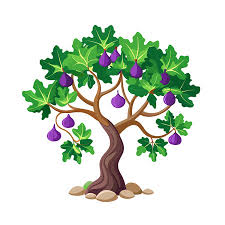
Jesus expounds further by telling the parable of the fig tree. The fig tree was favoured because they had a higher chance of growing in the poor and shallow soil of the region.
Uselessness invites disaster. What is useful goes from strength to strength where what is useless is eliminated.
What would we answer when asked “of what use were you in this world?”
The land owner initially pronounces imminent and decisive judgement. The tree had not borne fruit for the last three years and so he wanted it cut down.
Nothing which only takes can survive.
The fig tree was taking strength and sustenance from the soil. In return it was producing nothing. This was the fig tree’s sin.
There are two types of people:
- Those who take out more than they put in.
- Those who put in more than they take out.
There is the duty placed upon us of handing things on better than we found them.
A fig tree normally takes three years to reach maturity. If it is not fruiting by then it is unlikely to produce fruit. But, this fig tree was given another chance.
The gardener pleaded for the tree to be given an extra year and the gardener would dig around the tree, placing manure around it. If the tree bears fruit it will stay but if the tree bears no fruit after the extra year it will be cut down.
The fig tree was given a second chance. We are given a second chance.
A second chance to change and repent.
It is always Jesus’s way to give man chance after chance. Peter, Mark and Paul all are witnesses to that. God is infinitely kind to those who fall and rise again.
God transforms us by grace – a grace that calls us to be generous towards those still trapped by poverty, want and devastation.
All sinners face the same fate before God. Everyone must stand before Him in judgement.
God is patient but, whilst He allows second chances and time for repentance, there is a limit.
There is a final chance!
If we refuse chance after chance, if God’s appeal and challenge come again and again in vain, the day finally comes, not when God has shut us out, but when we by deliberate choice have shut ourselves out.
Jesus uses the events of Galileans being executed and the tower falling on people in Jerusalem to emphasise the urgency of repentance, warning that those who don’t repent will perish.
A sin is a sin. There are no sins that are lesser than others. All sins are a sin.
Don’t be like the fruitless tree!
Focus on producing good fruit; on living a life which pleases God – rather than focussing on the misfortunes of others.
Jesus is emphasising that repentance is not just about acknowledging sins but actively changing to conform to God’s will.
The fig tree parable highlights God’s grace and the opportunity for change and restoration.
 Just because