Tell Us Who You Are

The Jews asked Jesus whether He was the promised one from God.

In his writings, John has told us that this event took place during the Jewish Festival of Dedication. This festival is also called Hanukkah or the Festival of Lights; and it takes place in remembrance of the purification, or cleansing, of the Temple, in 164 BC, after the desecration committed by a king of Syria called Antiochus Epiphanes in 170 BC.

During this Festival of Lights there would be great illuminations in the Temple and in every Jesish home as a reminder of the light of freedom coming back to Israel – the freedom won to worship God. It is significant that Jesus chose this time to say “I am the light of the world, I alone can light men into the knowledge and presence of God”.

The location of this event was Solomon’s Porch. Now the first court in the Temple precincts was the Court of the Gentiles and along two sides ran the Royal Porch and Solomon’s Porch. These were rows of magnificent pillars, almost 40 feet high and roofed, where people walked to pray and meditate. Rabbis walked there teaching their students the doctrines of faith.

This was where the Jews chose to ask Jesus whether He was the one promised from God.

Some of those asking would have been genuinely wanting to know but others were trying to trap Jesus. Jesus did not fall into the trap, simply saying He had already told them who He was.

There is a saying that actions speak louder than words.

Every miracle performed by Jesus testified that the Messiah had come.

Jesus’s words, the authority with which He spoke, the way He explained the scriptures and put His teaching in their place, showed that God was speaking in Him.Both the words and deeds of Jesus were a continuous claim to be the anointed one of God.

The sheep of a shepherd knows his call.

Jesus is the good shepherd.

He knows His sheep, who follow Him when He calls.

And, to those who accept Jesus, He promises eternal life that would know no end and that is secure.

Jesus promised that for those who accept Him as Lord and Master and become members of His flock, the littleness of earthly life would be gone and His flock will know the splendour and magnificence of the life of God. Jesus promised that death would not be the end but the beginning with the glory of indestructible life.

And security. Jesus promised that nothing can snatch His sheep from His hand.

This does not mean that there would be no sorrow or suffering but that in sorrow and at the darkest hour they would still be conscious of the everlasting arms underneath and about them.

Even in a world crashing to disaster they would know the serenity of God.

God’s promise is true. His arms are around us, embracing us in His love. I say this from my own experience of feeling God’s loving arms when times are tough.

It is God who gave Jesus the sheep. Both Jesus and His sheep are in the Father’s hand. We are secure in God’s power.

The bond of unity is love. Proof of love is obedience. We are one with one another if we are bound in Christ obeying the words of Christ and following His example. Jesus was one with God because He loved and obeyed Him perfectly and He came to this world to make us what He is – one with God.


Sheep

The Time Had Arrived

Palm Sunday is the day we appoint to mark Jesus’s parade into Jerusalem.

Up to this point Jesus has told His disciples to keep the knowledge of His Messiahship to themselves because His hour had not yet come. But now, the time had arrived. Jesus was making a declaration and He took dramatic action to make the announcement. Jesus rode into Jerusalem in a way which would be an unmistakable claim to be the Messiah – God’s approved king.

This event had been carefully planned. “The Lord needs it” was a password chosen and set up a long time prior to this event taking place.

It was certainly an act of defiance and courage. There was already a price on Jesus’s head. And yet, He enters in a way which throws the lime-light upon Him – giving Him centre stage. Every eye now beheld Him.

Jesus was fulfilling the prophecy in Zechariah 9. Even with His deliberate claim to be king, Jesus underlined the kind of kingship He claimed – king of love and peace.

Jesus used the language of the culture of the time. His procession used symbols which were part of the common understanding; touching a hope and a need in the people’s hearts. Consequently. the people eagerly responded.

Jesus rode a colt. A colt is an unridden donkey – which symbolised purity and peace. This confirmed His fulfilment of the Messiah role was by bringing reconciliation and peace.

In those days in that country, donkeys were considered noble. Only in war did kings ride a horse. In times of peace they rode donkeys.

By riding a donkey, Jesus came as a king of peace and love – not the conquering military hero the Jews had expected and awaited.

The waving of palm branches acknowledged Jesus’s authority. By throwing down their cloaks, the people were ushering a prince into their midst; showing honour and homage. And the traditional welcome to a new king – “Blessed is He who comes in the name of the Lord”.

In the loudest way possible Jesus was saying, “Here I am, your king, your prince of peace.” The reply – “Hosanna” meaning “save us” – accepting that Jesus is the saviour.

Some of the pharisees – not all but some – heard the crowds and did not like it. They felt contempt at all the rabble as well as being afraid of Rome – who did not like disturbances from others.

In response to the pharisees telling the crowd to be quiet, Jesus answers that if the crowd were silent the stones would shout out.

When it is time, it is time. God’s purpose will be fulfilled. The king has come. The kingdom is coming.

The triumphal entry did not happen in a vacuum. It was not an accident. Everyone gathered together saw the meaning before them plain and simple. The king was entering the city in righteous victory and the crow were in desperate need of salvation and rescue.

We often read the whole passion – the whole suffering – on Palm Sunday because out of context from each other the rest doesn’t make full sense.

Jesus, the true king, the one coming in the name of the Lord, entering in triumph, helps us understand the whole passion more fully. It was never about human thrones and powers – it was always about triumph over evil and death.

The one who resurrected Lazarus comes to Jerusalem, in faithful obedience to the covenant, to allow humanity to expend its evil upon Him and for Him to then rise up from the dead. Humanity expends its evil upon the Son of God. The Powers and Principalities of the world snuff out the light. Satan claims he has victory over the God with whom he thought equality could be grasped.

But … that is not the end of the story …

… Jesus comes to us the same way He came to Jerusalem – amidst the praises of the people. enthroned by the cries begging for salvation and the royal welcome.

He guides us through His passion-tide, to bring us to share in His meal, to kneel at His cross, to wait by His tomb, to await His resurrection and victory over the darkness, the grave and His defeat of Satan, as we shout “Alleluia” on Easter Sunday.

The six stages of Holy Week:

  • Jesus as king
  • Jesus’s obedience to God’s will
  • Jesus as suffering servant
  • Betrayal and loyalty
  • Jesus’s passion/suffering
  • Salvation through Jesus

What a difference a day makes.

What a difference a week makes.

Palm Sunday, crowds are cheering Jesus and celebrating. Yet, just a few short days later, the same crowds jeer and call for the brutal murder of Jesus upon the cross.

Jesus knew what was coming but He still taught and proclaimed the Kingdom of God to His final breath.

Jesus made one last appeal to be accepted as their king. Before the hatred of men engulfed Him.

Once again, He confronted them with love’s invitation.

donkey

A Journey of Truth and Faith

(Talk on Luke 24:13-35 23rd April 2023)

This passage from Luke teaches us a lot about truth and faith. It is, in both a literal and a spiritual sense, about journeys. Literally, it is about two disciples (followers of Jesus) walking from Jerusalem to Emmaus. Spiritually, it is about their and our journey from not knowing Jesus to truly knowing Jesus and sharing our experiences of Jesus. It is about rediscovering Christ’s presence in our lives, gaining a fresher understanding of God’s transforming grace, allowing our hearts to be ignited with the Holy Spirit as we too walk with Christ.

The Bible makes very clear and specific statements about Jesus. As the disciples walked along they were discussing the scriptures and the recent events that had happened. When Jesus appeared to them they were walking the wrong way – away from Jerusalem. They were preoccupied with their own difficulties, overwhelmed with sadness, grief and hopelessness. They were unable to identify God’s purpose in what had happened.

Humans like to know reasons for…well everything. We ask (both aloud and to ourselves) why? We analyse, we interpret, we assume, we conclude. And we use the answers as a Sat Nav! What we decide the answers are determine/direct what and where we do/go next.

The disciples did not fully understand the Scriptures or the meaning of what had happened to Jesus. They had knowledge but it was incomplete and not understood. It was not true knowledge of the right information.

Jesus appeared and started to walk with them. They did not see Jesus. They were kept from recognising him. The Risen Christ walking with them on their journey, but unrecognised, igniting the fire of God’s love in their hearts. Like the Footsteps poem when there is only one set of footprints (because Jesus is carrying us).

But, this enabled Jesus to impart true knowledge. He explains and interprets for them. This teaches us that the key to interpreting the Old Testament is Jesus.

Jesus explained everything from Moses to the prophets, how the Messiah would save God’s people through His death and resurrection, rescuing a sinful, unholy people by reconciling them with The Holy God.

Jesus is the Messiah whose life, death and resurrection grants us salvation. Jesus Himself told us “I am the way, the truth and the life, no man comes to the Father except through me”.

God cannot be near sin. The only way for us sinners to be reconciled to Him was for Jesus to become sin, be punished for our sin, to die and defeat death; so that through His resurrection we could, with faith and repentance, be forgiven and have a relationship with God.

But it is not sufficient to just know the facts. We must also believe in that knowledge, we must truly believe in Jesus and in what He taught. Like the disciples recognising Jesus (when He broke the bread) and rushing back to tell the others, we have to open our eyes in faith. If we believe in Him then we strive to be in His image and this is shown in how we live. We need to believe in God’s word and be motivated by faith. We know God fulfils His promises but we also need to believe this. We know He is always with us, all the time, especially those times when we only see one set of footprints. But, we also need to believe this.

There is a story that gets quoted a lot so apologies if you, like me, have heard it used before:

There was a young boy caught in a house fire and forced to flee to the roof. The father stood on the ground below with outstretched arms, calling to his son, “Jump! I’ll catch you”. He knew the boy had to jump to save his life. All the boy could see was flame, smoke and darkness. The boy was too afraid to leave the roof. His father kept yelling “Jump! I WILL catch you”. The boy protested “Daddy, I can’t see you” The father replied, “But I CAN see you and that’s all that matters”.

Reece Sherman’s Faith Lessons

Do we understand truly? Or do we rely on our assumptions? Do we truly believe and trust in God? I pray that we do.

God is always there for us and will catch us. He can see us even if we cannot see Him. Do we have enough faith to jump into those life saving arms? I pray that we do.

Thank you.

Poppet on a journey, running through grass

Easter Spoilers

Talk from 26th March (John 11:1-45)

Who likes reading spoiler alerts to find out what will happen ahead of the next episode?

Who avoids them like the proverbial plague? Ah okay, you might want to put your hands over your ears then because in some ways this passage from John is a little bit like a trailer or spoiler for two weeks time!

Today we hear about and celebrate the resurrection of Lazarus. In two weeks we hear about and celebrate the resurrection of Jesus.

There are lots of parallels in this story pointing towards what was going to happen. John even mentions at the beginning of this passage an event (Mary anointing Jesus’s feet) which does not occur until after the resurrection of Lazarus.

Jesus was very clear right from the beginning that EVERYTHING He does is for the glory of God. His wisdom and knowledge far exceeds ours.

It was still difficult for Martha and Mary that Jesus did not immediately drop everything and come to them upon hearing that Lazarus was severely ill.

Today’s society tend to want everything immediately. Patience and waiting are hard. Whilst I know that waiting times for ambulances are much longer than ideal at the moment; how many of us have to wait over two days before one leaves to attend to us?

But Jesus knew what He was doing and so He waited. Once the time was right He told the disciples He was going back to Judea. The religious leaders there already wanted Jesus dead and this worried His disciples. Ironically, it is Thomas (later to be known as the doubter) who persuaded the disciples to accompany Jesus even if it meant death.

Jesus is the Light of the World. As He says, if we walk during the day (in the light) we will not stumble because we see (have) the light of the world (Jesus).

Those who walk at night stumble because the Light (Jesus) is not in them.

By the time Jesus arrived, Lazarus had been in the tomb for four days.

Decomposing!

Stinky!

Yuk!

Martha (the sister who in another passage we are told did all the chores whilst Mary sat listening to Jesus) heard Jesus was on His way and came to meet Him.

Martha says “Lord, if you had been here…” Martha knows and believes that Jesus has the power to heal. Is she declaring her faith? Or is she displaying anger that Jesus was not there in time to stop Lazarus dying? Jesus tests her and she proclaims her faith and her belief.

Jesus is the resurrection and the life and He was about to prove it whilst showing, again, through this miracle that Jesus is the Giver of Life and the Saviour. He was also showing His followers a preview of how He would be defeating death.

It is important that we understand the relevance of Lazarus having been in the tomb for four days. Jesus had raised people to life before after all, so we need to know what makes the resurrection of Lazarus so different.

Well, previously when Jesus had raised people from the dead the timescale between their death and resurrection was a great deal shorter.

Jesus needed this miracle to be determinate.

To help us understand let me explain that at that time people believed that a person’s spirit left their body on the third day after their death. On the fourth day there is no doubt. The person is really dead. Not sleeping. Dead Dead!

This was important as it meant there could be no dispute over the fact that Lazarus was actually dead before Jesus resurrected him.

Martha went to Mary and told her “The Teacher is here”. Jesus is the Ultimate Teacher. Mary went to Jesus and used the same words as her sister, “Lord, if you had been here …” Mary and the Jews with her wept. Jesus wept. But, Jesus was not mourning Lazarus. Jesus knew all along that He would be raising Lazarus from the dead. Jesus wept for those who did not understand. He wept for those who had lost hope. He wept at the sight of the very suffering He came to save us from. Through Jesus believers are to grieve with hope.

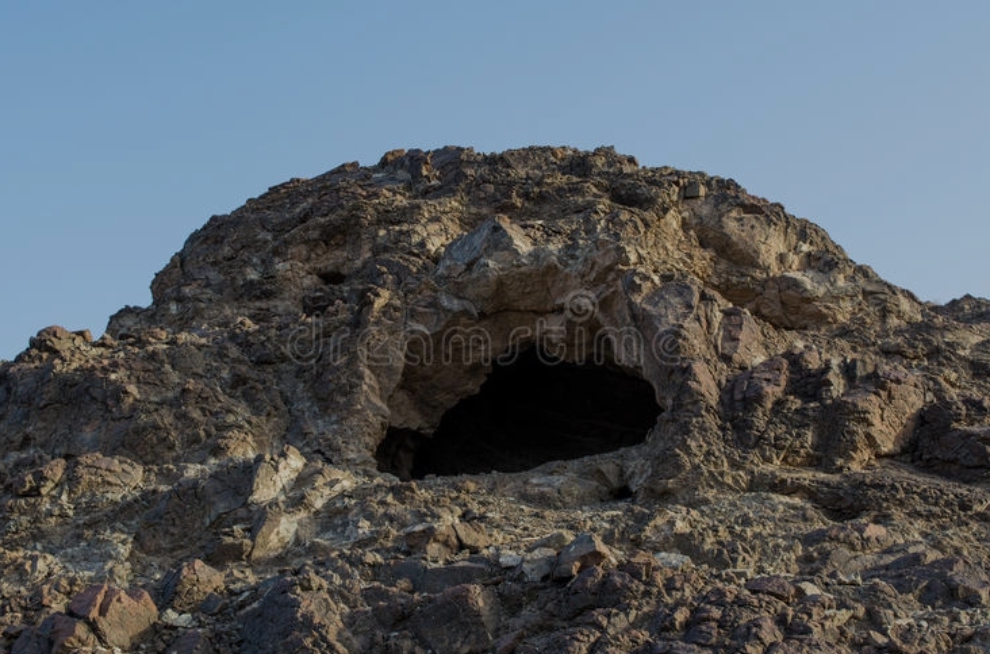
Jesus went to the tomb, He called for the stone to be moved away. The stench of death was all around. Jesus prayed. He did everything with prayer. He knows God always hears Him and thanks God for this. But He also needed the crowd to see that God had sent Him and that He was acting with God’s authority.

Jesus called out in a loud voice “Lazarus, come out!” Jesus has compassion for each one of us and calls us by name.

Lazarus came out still bound in the burial cloths BUT no longer a rotting corpse. Instead he was fully and completely healed. Jesus told the crowd to unbind Lazarus and they helped free him.

Lazarus, a new creation, freed from the tomb and welcomed back to life.

Jesus died to defeat sin and death, the Ultimate Sacrifice and our Saviour is raised from the grave so we can be forgiven and reconciled with God.

Not only that but Jesus came to have a relationship with EVERYONE, not just the Jews.

So how does that affect us. Basically, we cannot experience the resurrection unless we experience death. By this I mean that we cannot accept new life in Christ, if we do not allow our old, sinful lives to die.

We need to let go of whatever is holding us back, whatever is stopping us from being a new creation in Christ.

Let us hear Jesus calling us by name, let us say goodbye to what is holding us back, let us leave the tomb and walk in the light of Jesus.

And more than that, as we are told in Romans; by believing and having faith in Jesus, what He has done, is doing and will do, we are able to take part in bringing glory to God in all we do.

Let us give Him the glory, great things He hath done.

Stone Cave

Jesus’s Baptism (notes for 9th January 2021)

Two weeks ago we celebrated Jesus’s birth – the birth of a tiny baby. Last week we remembered the Wise Men finding and worshipping Jesus – a toddler. Today, we jump forward nearly three decades, doesn’t time fly, Jesus is thirty and being baptised.

In some ways, it is not strange to us that we celebrate Jesus’s baptism shortly after His birth. After all, it is not a rare occurrence for a baby to be baptised, making them a part of the family of God, washing away the consequences of the original and actual sin, granting them the hope and promise of salvation and professing the faith on their behalf whilst promising to bring them up in that faith.

Baptism is linked by Jesus to salvation. It is a symbol of the forgiveness of sins, the death of old life and the start of new life and acceptance into God’s family.

However, Jesus was not a baby. He was a grown man and the sinless Son of God.

So why did Jesus need to be baptised?

Indeed, John the Baptist asked the same thing saying “I need to be baptised by you, yet you come to me?”

Jesus replied “Let it be so now; it is proper for us to do this to fulfill all righteousness.”

Jesus was to be the one to separate believers from betrayers. Jesus was also to bring a purifying and transforming baptism of fire; which enables us to be empowered by the Holy Spirit.

Jesus was baptised to identify Himself with sinful man, who He came to save. He took our sin to save us. His baptism marks the end of His old life marking the acceptance of and the start of His ministry. He is annointed by the Holy Spirit whilst He is affirmed by God as His Son (a parallel with Pentecost when the Holy Spirit came down on the church).

This affirmation from God that Jesus is the Messiah also provides confirmation to John that he has completed his mission of preparing the way for the Messiah; whilst Jesus begins His earthly ministry with the blessing of God His Father and the empowerment of the Holy Spirit.

Father God, we ask that you baptise us all again with your Holy Spirit empowering us to do your work. Amen.

A beautiful lake.